Understanding Emotional Intelligence: A Key to Personal and Professional Development
CJ
What is Emotional Intelligence?
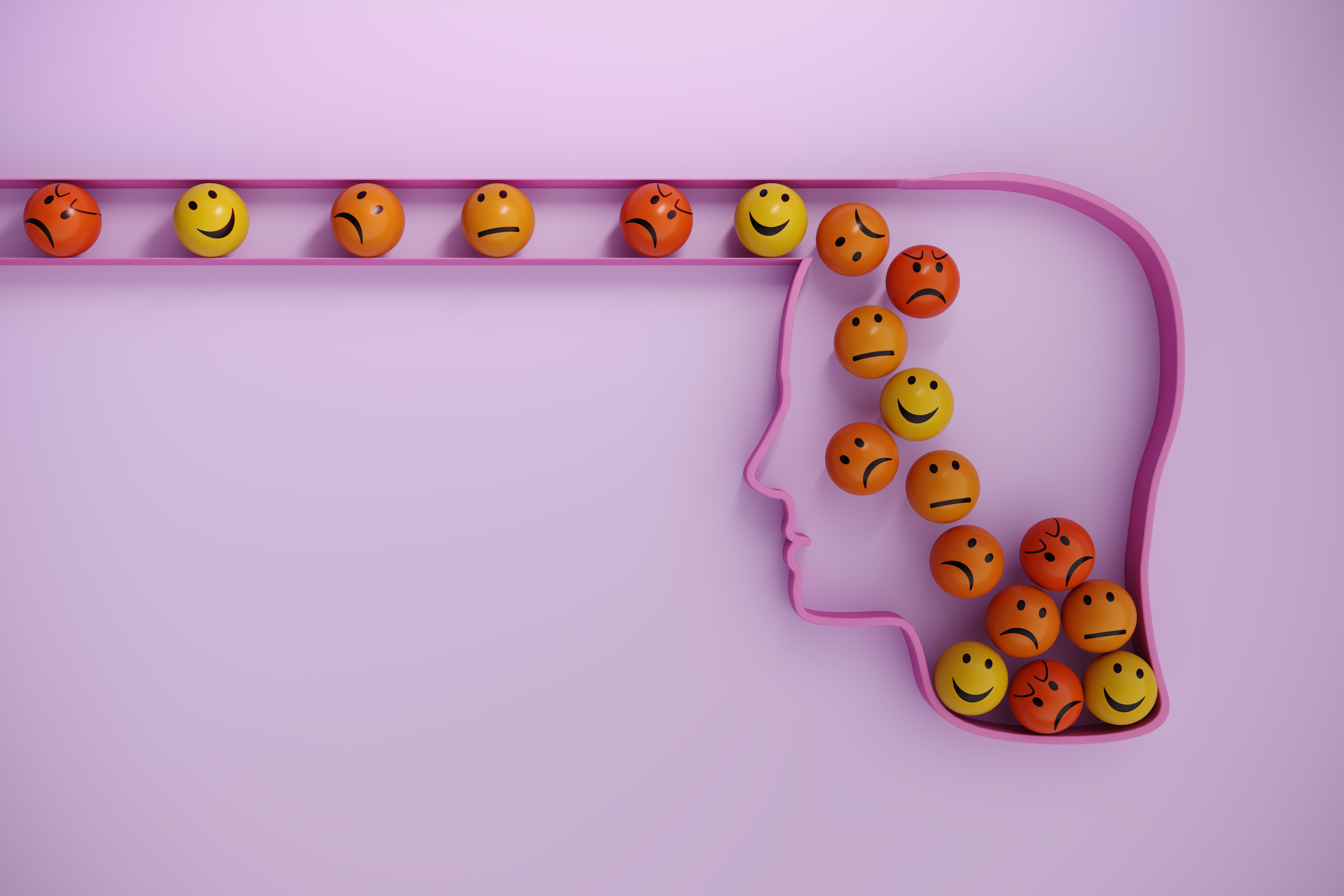
Emotional Intelligence (EI) refers to the ability to recognize, understand, and manage our own emotions, as well as the emotions of others. This skill is crucial in both personal and professional settings, as it influences how we interact with others and make decisions.
Unlike IQ, which measures intellectual abilities, EI is about understanding and navigating emotions effectively. High emotional intelligence can lead to better relationships, improved mental health, and greater success in various aspects of life.
The Components of Emotional Intelligence
Self-Awareness
Self-awareness involves recognizing your own emotions and understanding how they affect your thoughts and behavior. It is the foundation of emotional intelligence, enabling individuals to identify their strengths and weaknesses.
Self-Regulation
This component refers to the ability to control or redirect disruptive emotions and impulses. People with strong self-regulation skills can adapt to changing circumstances and maintain control over their actions.

Motivation
Motivation within emotional intelligence is about having a passion to work for reasons beyond money or status. It involves setting and achieving goals, maintaining a positive attitude, and persevering in the face of challenges.
Building Empathy and Social Skills
Empathy
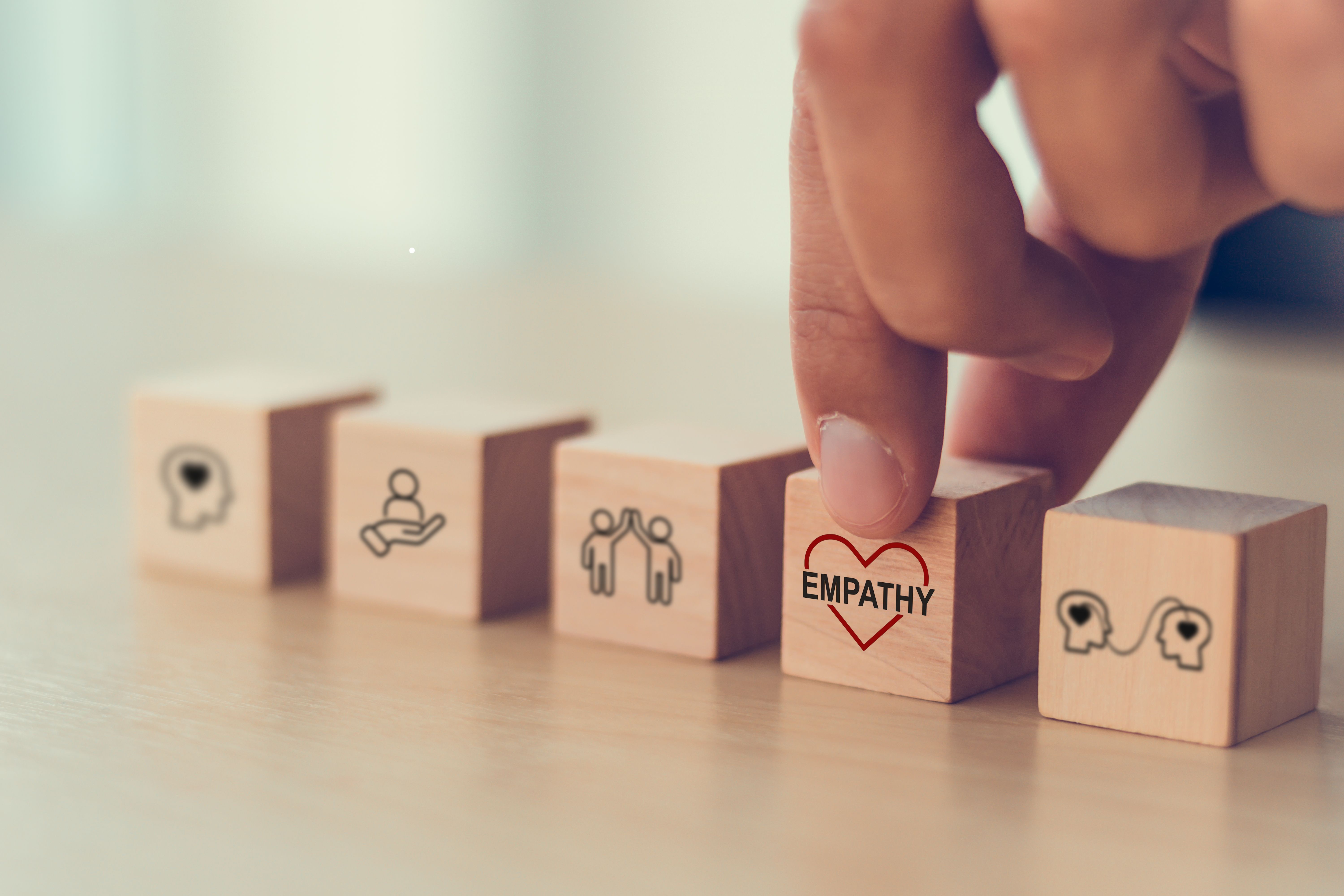
Empathy is the ability to understand the emotions of others. This skill is essential for building healthy relationships and managing social interactions effectively. It allows individuals to respond appropriately to the emotional needs of others.
Social Skills
Strong social skills involve managing relationships to move people in desired directions. These skills are crucial for effective communication, conflict resolution, and collaboration, making them essential in both personal and professional environments.
Benefits of Emotional Intelligence
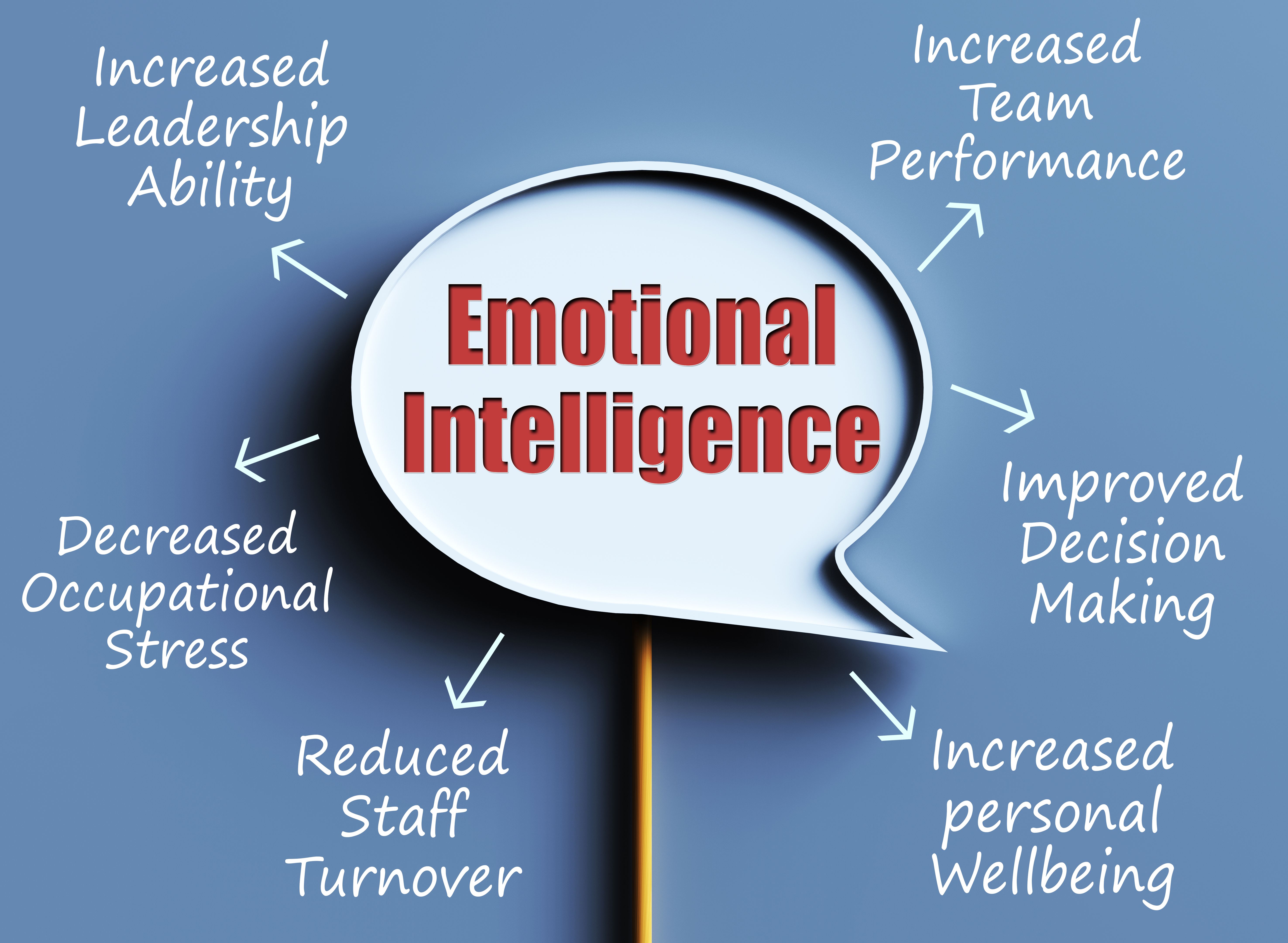
Developing emotional intelligence can lead to numerous benefits, including:
- Improved communication and collaboration
- Better leadership abilities
- Enhanced problem-solving skills
- Increased resilience and stress management
How to Develop Emotional Intelligence
Improving emotional intelligence is an ongoing process. Here are some strategies to consider:
- Practice mindfulness to increase self-awareness.
- Engage in active listening to enhance empathy.
- Set personal goals to boost motivation.
- Reflect on your responses to improve self-regulation.
By focusing on these areas, you can cultivate emotional intelligence, leading to greater success and fulfillment in life.